
How Modified Comparative Negligence Works in Massachusetts Car Accident Cases
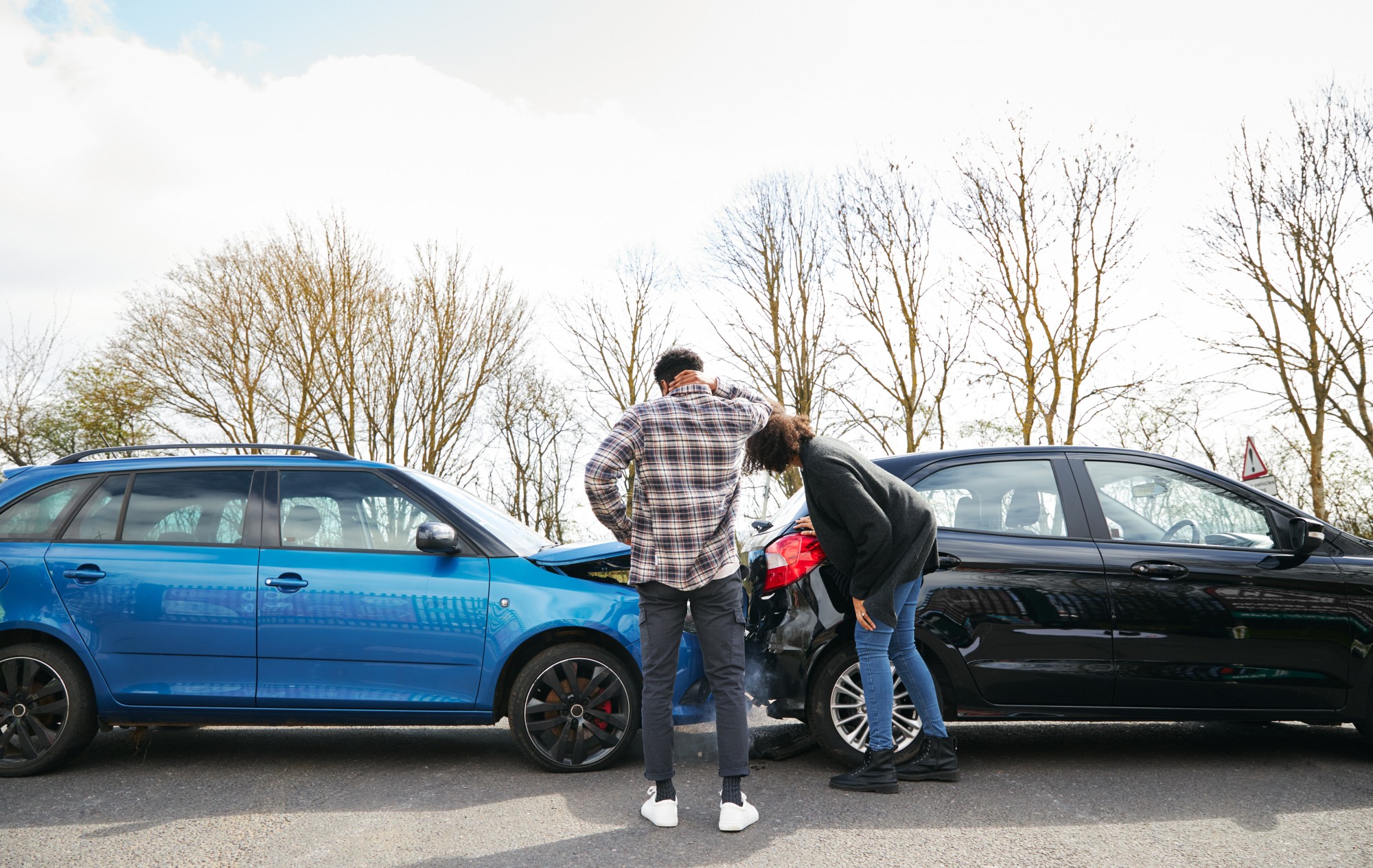 After a car accident, you may find that liability is not as simple as you expected. While it may be clear to you that the other driver is at fault, the insurance companies involved may feel differently. What happens when one driver runs a red light, and the other is speeding? Or one driver makes an unsafe left turn, but the approaching driver was looking at their phone and didn’t stop in time?
Massachusetts is a modified comparative negligence state, and this concept can affect how much you can ultimately recover when you’re involved in a car accident. Looking for more personalized guidance after a car accident? Call Santoro & Gray today.
What is modified comparative negligence?
Modified comparative negligence is a rule that comes into play when more than one party contributes to a collision. Comparative negligence states don’t treat fault as all-or-nothing; they allow it to be distributed among parties by percentage.
In Massachusetts, the modified comparative negligence rule(opens in new tab) means that compensation may be reduced if the injured party is found to be partially at fault for an accident. Consider a crash where the injured party is determined to be 20% at fault. They had $50,000 in damages. Their compensation would be reduced by 20% to $40,000.
As you can see, the way that fault is broken down can have a massive impact on how much compensation a victim receives.
The 51% rule in Massachusetts car accident cases
Each comparative negligence state has a slightly different approach to how liability affects compensation. Massachusetts has a 51% bar rule. If an injured party is 50% or less at fault, they can still recover damages. Their damages are just reduced proportionately to their share of fault. But if they are 51% or more at fault, they cannot recover anything. This sets Massachusetts apart from pure comparative negligence states, where injured parties can recover compensation even if they are mostly at fault.
You’ll likely find that insurance companies fight hard over fault percentages. Every bit they can shift to an injured party reduces the amount they pay out.
Crashes involving more than two vehicles can further complicate the breakdown of fault. When several drivers played a role in a crash, a careful and thorough investigation is especially important.
It’s also important to note that Massachusetts has no-fault insurance rules for car accidents. Personal Injury Protection covers some medical expenses, lost wages, and other approved expenses. However, comparative negligence becomes more important when an injured party pursues damages outside the no-fault system. For pain and suffering damages, medical expenses generally must be greater than $2,000 or the injuries must meet specific legal criteria.
How is fault allocated after a Massachusetts car accident?
Determining fault is complex. Insurance companies don’t just base their decisions on what each driver claims happened. They may make an initial decision during the claims process, but the breakdown of fault is subject to change during negotiations, mediation, or litigation. If a case goes all the way to trial, a judge or jury can decide how much fault lies with each involved party.
A big part of fault allocation comes down to basic traffic safety questions. Insurance adjusters may look at who had the right of way, if a driver was speeding, if someone did an unsafe lane change, and if outside factors contributed to the accident.
Traffic citations may play a role in fault, but they don’t always decide the outcome of a civil injury claim or how insurance companies allocate liability. Police officers can make mistakes, and a citation isn’t unquestionable proof that one party caused the accident.
Common car accident scenarios involving shared fault
Shared fault arguments may come up in many types of Massachusetts accidents:
- Rear-end accidents: Rear-end accidents are often fairly straightforward in terms of liability, but there are situations where fault may be shared between parties. While a rear driver may fail to stop in time or follow too closely, the front driver may stop suddenly without reason, cut off the rear driver, or have broken brake lights.
- Left-turn accidents: Left-turn accidents also often lead to arguments over fault. A driver turning left doesn’t usually have right-of-way unless they have a protected left, so they may be primarily liable if they fail to yield. But an oncoming driver may share fault if they were speeding, distracted, or in the intersection after a light change.
- Intersection collisions: Intersection collisions can be particularly complicated, thanks to traffic signals, stop signs, road markings, and different road layouts. Liability decisions may come down to surveillance camera footage, witness statements, and footage from nearby homes or businesses.
- Lane change/merging crashes: A number of these accidents involve shared liability. When a driver merges unsafely, they may be at fault—but the other driver may also be partially to blame if they sped up or did not act reasonably.
How does shared fault impact settlement negotiations?
Insurance companies have a clear financial incentive to assign some fault to the injured party. Depending on the total value of the claim, each percentage point they shift to the other party could represent thousands of dollars saved. In states like Massachusetts, they may aim to push fault to 51% to bar recovery entirely.
Adjusters use a number of tactics to decrease their client’s share of fault. They may claim that the injured driver was speeding, following too closely, or not paying attention to the road. They often say that the injured driver should have reacted sooner or taken more aggressive evasive action to prevent the crash.
It’s important to remember that an insurance company’s tactics don’t necessarily reflect your actual share of liability. We recommend talking to a car accident attorney so you avoid saying something that the insurance company can use against you.
Unsure of your next steps after a Massachusetts car accident? We’re here to help
The team at Santoro & Gray is here to advocate for you as you seek compensation after a Massachusetts collision. If you’re not sure who’s at fault or the insurance company is making claims that don’t seem fair to you, let’s talk. Reach out online or call us today.

Victoria Santoro is a skilled trial attorney and the co-founder of Santoro & Gray. She handles a variety of personal injury cases, including rideshare litigation, car crashes, premises liability and product liability matters. Contact the firm’s Boston office today.