
Black Box Data in Car Accidents: What Massachusetts Lawyers Can Access
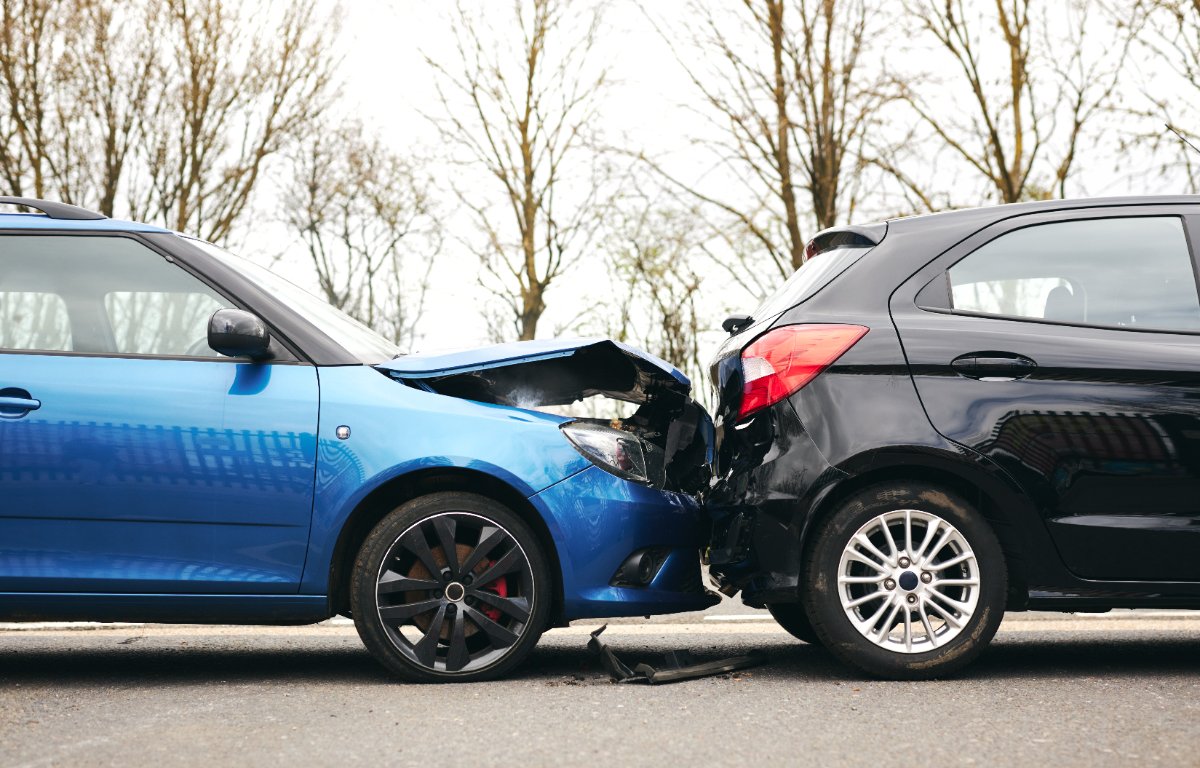 Car accident lawyers in Massachusetts often use black box data such as a car’s exact speed right before it hit another car, its braking activity, and even its seatbelt use. To access this information, they need the owner’s consent, a court order, a subpoena, or some other type of legal order. Many times, black box data plays a major role in proving fault in Boston car accidents and helps many injured people seek compensation.
What is black box data in car accidents?
Most newer cars(opens in new tab) have usable data from their event data recorders (EDRs). EDR data works similarly to the black box data you may hear about in airplane crashes, recording technical data before and during a crash.
Why does black box data matter when drivers dispute fault?
Black box data can support a liability claim, backing up your version of events. For example, if the other driver in your crash says they stopped at a red light, but their black box data shows steady acceleration, this contradiction helps your case.
Sometimes, car accident evidence starts with drivers exchanging accusations about speeding, unexpected lane changes, abrupt braking, or other behaviors. Finger-pointing does not go far, and insurance companies can take advantage of the confusion to shift blame and lower their payouts. Black boxes cut through all the muddle and haze with data that can show:
- How fast was the car going before it smashed into another car
- If the driver pressed the brake
- How much the driver was pressing the accelerator
- When the airbag deployed
- The seatbelt status at various times, including whether the driver’s or front passenger’s seatbelt was buckled at the time of the crash and at the time the airbag deployed
- In some vehicles, limited steering input or stability-control data may be available to show how the driver turned the steering wheel, how quickly, and in what direction.
That said, older cars’ black boxes may record less data than newer cars’ boxes. Serious crashes and fires can also damage the data, so a huge amount of detail is not always at hand in all accidents.
How does black box data make injury claims stronger?
You can get strong evidence from black box data to bolster your personal injury case. The data can also counteract false accusations that other drivers make. Insurers know this, and it motivates them to settle faster and for a fair amount.
Car accident lawyers often use the data in many types of crashes, including rear-end collisions and those involving speeding, distracted driving, failure to brake, and sudden lane changes. The data works well alongside other evidence such as medical records, police records, camera footage, and witness statements.
With a clear sequence of events supporting your claim, your chances of full compensation get better.
What is the role of expert analysis?
Raw black box data is not easy for just anyone to interpret. Jurors, for example, would need help understanding the various numbers, timestamps, and codes. Experts such as accident reconstructionists analyze the data and explain it in plain language. They discuss the data in the context of, say, what the skid marks or vehicle damage show.
Black box data may let expert witnesses testify with precision, saying a driver was going 52 mph five seconds before impact, or that the driver never braked, or that the steering wheel angle showed a sudden swerve.
What data can Massachusetts lawyers legally access?
Boston is the worst city in the United States for car accidents, with its collision likelihood 244% above the U.S. average(opens in new tab), according to Allstate. In other words, it is common for Boston lawyers to want to access black box data.
However, the laws surrounding access are always evolving. Different judges interpret them differently, too, so check with a car accident attorney for the latest and most accurate information. Massachusetts does not have a comprehensive state statute governing EDR access, so federal regulations and general evidence rules typically control.
In general, with the owner’s consent, car accident lawyers should be able to legally access all vehicle data that the owners themselves would be able to obtain, and some additional data if the lawyer is using court methods such as subpoenas.
Your lawyer can usually get the following type of information as long as the car is new enough:
- Speed before the crash
- Whether the brakes were used
- Seatbelt status
- Throttle position
- Airbag deployment timing
- Steering inputs
Connected vehicle systems may also allow lawyers (again with the owners’ consent) to get telematics and mechanical system data, fault codes, maintenance alerts, and some driving event logs.
How do car accident lawyers get black box data?
If you own the vehicle, it could be straightforward for your lawyer to get the data. A consent form may be enough. If the data is in the other driver’s black box, your lawyer may need to pursue it through subpoenas, court orders, discovery requests, and preservation letters.
- Client consent: The lawyer’s client OKs the retrieval with a consent form.
- Direct owner download: The owner downloads and shares the data with the lawyer (may be available only with the most recent vehicles).
- Preservation letters: The lawyer sends formal notices to preserve the vehicle data.
- Inspection agreements: The parties allow joint experts to inspect a vehicle and download its data.
- Subpoenas: The lawyer uses a subpoena to get the data from the other driver, repair garage, insurance company, or manufacturer.
Court orders and discovery requests are further possibilities.
Why should you act quickly?
Data overwrites, car repairs, improper mechanic handling, or car destruction can threaten the data in black boxes. For instance, careless handling can put data at risk, depending on the vehicle and system.
Meanwhile, if a crashed car gets driven again, the data could be at risk. If the vehicle is a total loss and gets destroyed, the data is likely gone. If the vehicle gets sold, accessing the data becomes more complicated (but still could be doable).
Some good news, though: Suppose you crash your car and then drive it to the repair shop. It is in decent enough shape for that. You are not necessarily out of luck. The data may still be there if the crash deployed the airbag or some other trigger event occurred. Some vehicles can even store more than one crash event. However, you should act as quickly as possible and contact a car accident attorney to see if the data is there.
Boston is filled with narrow streets, heavy traffic, construction zones, and distracted drivers. Many factors can lead to a crash, and they affect how car accident lawyers interpret black box data. It doesn’t necessarily stick around forever, either. Seek legal help as soon as possible after a crash. Contact us at Santoro & Gray today to discuss your accident.

Bradley Henry is a trial lawyer with over thirty years of experience in civil litigation. He focuses on wrongful death, catastrophic personal injury, and commercial property loss matters and has handled some of New England’s highest-profile cases. Contact Santoro & Gray.