
How Winter Weather Conditions Affect Liability in Massachusetts Car Accidents
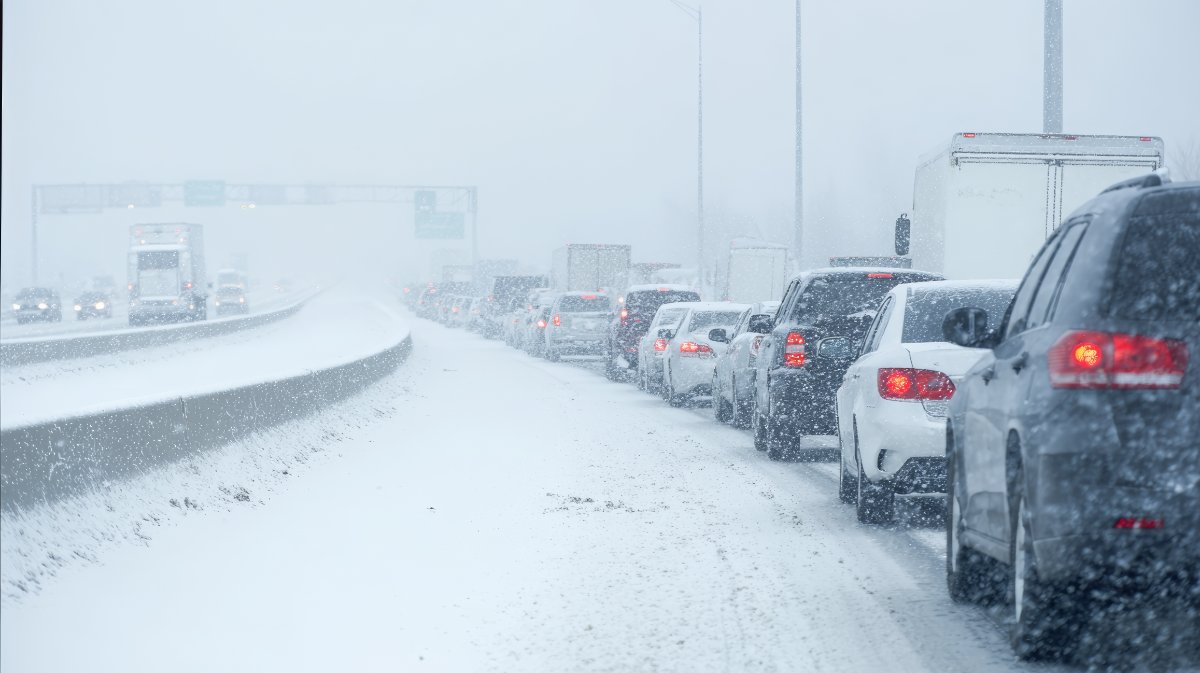 Winter weather in Boston and the rest of Massachusetts can get nasty. To add another layer of complexity, crashes may involve multiple variables and even multiple liable parties.
Insurance companies may try to blame ice, snow, freezing rain, or poor visibility instead of a driver’s choices. A major question is not, “Was it snowing?” but rather, “Did the drivers involved act with reasonable care?” Car accident lawyers can get to the bottom of these issues, investigating winter crashes to determine liability among multiple parties.
How is driver liability determined in winter crashes?
Under the fault-based system in Massachusetts, the parties who cause crashes are responsible for the damages. If there is bad winter weather, blame does not automatically go to “the snow.” Rather, insurance companies and the courts assess whether the drivers involved used reasonable care.
Suppose a driver in Boston is speeding down Storrow Drive during a snowstorm and rear-ends another car. The speeding driver cannot simply say, “The roads were icy,” to escape liability. Drivers should adjust to the weather conditions and slow down. It can be evidence of negligence if a driver does not adjust to bad weather. When investigating driver liability, a car accident lawyer may check:
- Whether a driver slowed down
- If the driver followed from a safe distance
- If the driver had cleared snow from the car and had appropriate tires
- Whether the driver used the headlights properly
Of course, liability can get even more complicated in chain-reaction crashes or multicar pileups. Multiple drivers may end up sharing responsibility.
What are Massachusetts’ expectations for safe driving in bad winter weather?
The state expects drivers to be even more careful in winter weather conditions. For example, drivers should go more slowly when visibility is low and allow for extra time to brake when the roads are icy. They should avoid abrupt stops or sudden turns.
Many Boston drivers are familiar with snow emergencies and parking bans. If someone drove aggressively or even “normally” during the 23.2-inch snowstorm(opens in new tab) in January 2026, that type of behavior likely was not reasonable.
It is true that winter weather creates hazards, but Massachusetts expects drivers to foresee these hazards. Black ice is a real possibility, so a driver who goes too fast and loses control on black ice may be liable for resulting crash injuries.
How might comparative negligence apply in winter accidents?
Under Massachusetts law, people hurt in a car crash can recover damages as long as they are not more than 50% responsible(opens in new tab). However, the compensation they can recover goes down by their percentage of fault.
Take a situation in which two drivers collide on the Massachusetts Turnpike during a snowstorm. One driver was speeding, while the other did not signal before changing lanes. If a jury finds the speeding driver 60% responsible and the lane-changing driver 40% at fault, the lane-changing driver could recover damages, with these damages going down by 40%.
In another example with three parties involved, say the jury finds one driver 40% responsible, another driver 40% responsible, and a private property owner 20% responsible. One of the drivers has sued the private property owner and the other driver. Since the suing driver’s fault (40%) is not more than the total fault the other two defendants share (60%), the driver could recover damages reduced by their own 40% share of fault.
For sure, winter weather can complicate the fault picture. An insurance company may say everyone is equally responsible because of the snow. Thorough investigations are often necessary to get to the heart of the matter. Car accident lawyers can anticipate attempts to unfairly shift blame.
What if a driver were on the job?
Some drivers who cause injuries do so while on the job. A car accident lawyer looks at the driver’s employer when determining liability, too. For example, if an employer required a delivery van driver to keep to regular schedules in a snowstorm, this could be evidence of negligence. The employer may share in liability. Similar principles apply if employers poorly maintain their commercial trucks or vehicles.
Snowplow operators, bus drivers, or other drivers may work for a government entity, perhaps the city of Boston. In many cases, when a government driver is acting within the scope of employment, the claim proceeds against the public employer under the Massachusetts Tort Claims Act rather than the employee personally; different rules may apply if the employee acted outside the scope of employment or failed to cooperate in the defense. The investigation can assess circumstances such as whether the city properly trained or supervised the driver. The Massachusetts Tort Claims Act(opens in new tab), with strict notice requirements and damage caps, governs claims against public employers, including municipalities and state agencies.
When could property owners or share blame for winter weather liability?
Property owners or municipalities could share responsibility in some situations. Common scenarios involve untreated roads, bridges, or other types of infrastructure.
- Untreated private property: If a shopping center does not salt its parking lot or plow snow after a storm, it could be liable if ice leads to a car crash.
- Untreated roads or municipal employees: Cities such as Boston are responsible for keeping public roads reasonably safe under the circumstances. If the city knows a bridge freezes quickly but does not treat it, it could share liability in any resulting crash. A municipality may also face liability if one of its drivers or workers was involved in a crash. Usually, the city employee does not face personal liability.
If you think a city or town may be at least partially liable, it is a good idea to speak with a car accident attorney as soon as possible.
What evidence do attorneys use to prove fault in winter crashes?
A strong case relies on strong evidence. Boston car accident attorneys typically work with cases that have multiple types of evidence.
Vehicle data
Newer cars usually have “black boxes” that record the car’s speed and braking data, along with other types of data. The information can indicate whether a driver tried to slow down or was speeding.
Camera footage
Dashcam footage from vehicles and surveillance camera footage from intersections or businesses can show a driver’s actions, for example, sliding through an intersection.
Road treatment logs
City records of plowing, salting, and other types of treatment can show whether a portion of the road went without attention for an unreasonably long period. Records could also show that the city acted reasonably, which possibly would shift the focus onto a driver or other parties.
Crash analyses and reconstructions
Crash experts can use skid marks, car damage, and final vehicle resting positions to estimate a driver’s speed and braking patterns. That said, situations such as fresh snow on skid marks can make evidence trickier to interpret. Overall, the evidence may show that a driver was traveling too fast for the caution a situation warranted.
Many car crashes involve other drivers or third-party negligence, even in winter weather. A car accident lawyer can investigate liability in Massachusetts accidents. Contact Santoro & Gray today to discuss your situation with one of our attorneys.

Victoria Santoro is a skilled trial attorney and the co-founder of Santoro & Gray. She handles a variety of personal injury cases, including rideshare litigation, car crashes, premises liability and product liability matters. Contact the firm’s Boston office today.