
Defective E-Bikes and Scooters in Boston
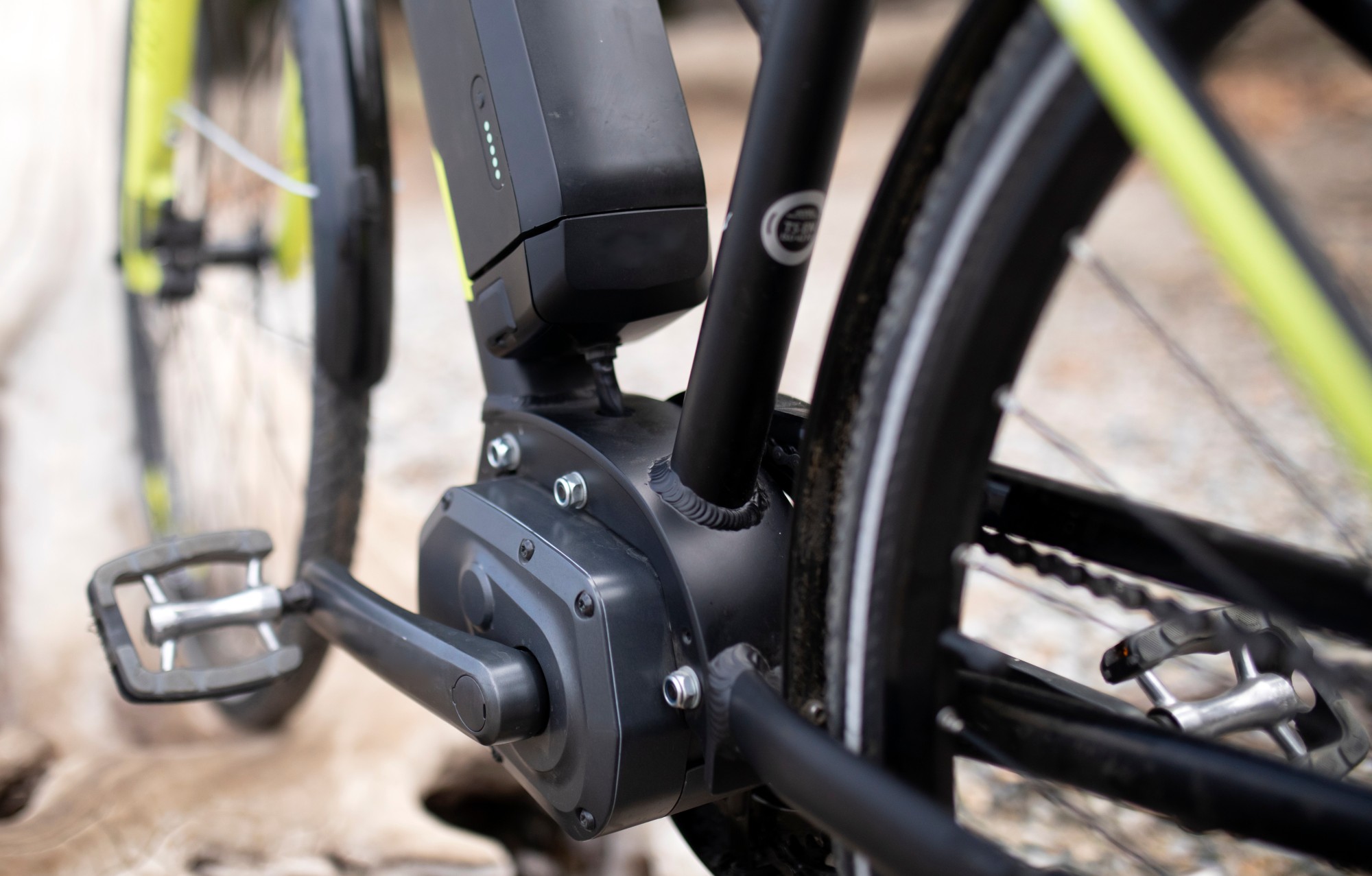 Defective e-bikes and scooters in Boston can cause horrendous injuries, including traumatic brain injury, complex fractures, and severe burns. What is also disturbing: Many crashes do not stem from the rider acting carelessly. Rather, many stem from defective batteries or brakes, unsafe design, or software failures. Liable parties could be the bike or scooter manufacturers, the makers of faulty parts, product distributors, retailers, and/or maintenance companies. A product liability lawyer can help with the investigation and compensation.
Why can defective e-bikes and scooters cause serious injuries?
E-bikes and scooters travel fast, with some accelerating to more than 20 miles per hour. Riders, even with helmets on, do not have much protection amid all this speed. For example, they lack the airbags, seatbelts, and steel frames that cars have.
If a part on an e-bike or scooter malfunctions, the rider likely has a few seconds at most to react, and they may be dealing with potholes, bad weather, and heavy Boston traffic at the same time.
Overall, ER visits due to micromobility products have spiked from 2017 to 2022, with e-scooters causing more visits, according to the Consumer Product Safety Commission. Specific dangers stemming from defects include these:
- Battery fires or battery explosions: Flawed or poorly assembled batteries can overheat or ignite, causing serious burns, smoke inhalation injuries, or permanent burn scars.
- Brake failures: Riders may crash at full speed after weak cables, thin pads, or other brake-related components stop working. Riders may suffer head injuries, broken bones, and internal trauma.
- Throttle or software glitches: If an e-scooter speeds up or slows down against the rider’s intent, this loss of control could lurch riders into traffic or other obstacles they are not expecting. Spinal trauma or brain injuries could result.
- Structural defects: Normal use could crack defective frames, handlebars, or stems. A rider who falls hard could end up with joint damage, fractures, or severe road rash.
Protective gear, such as helmets and pads, cannot prevent all injuries. For instance, they can reduce the impact of brake failures but cannot stop a high-speed collision. Likewise, flames or heat from a battery explosion can reach skin and airways within seconds.
What should you do after a crash if you suspect defects?
The first step is always to seek medical attention right away. If you are injured, report the incident to local authorities, such as the Boston police, fire department, or transit police, or the campus police department.
Photograph the device and accident scene, and save the e-bike or scooter in its damaged state (if it is not a public transit device). Keep all communications to or from repair shops or manufacturers (receipts, repair records, and messages). Talk with personal injury or product liability lawyers before you discuss fault with insurance companies.
Who could be liable for e-bike or scooter injuries?
Product liability lawyers look at multiple parties when assessing liability. Those responsible could include the manufacturer of the bike, scooter, or faulty part, the distributor supplying it, the retailer selling or renting a device, or the maintenance company. To pinpoint the fault, lawyers study contracts, testing records, recall notices, and other types of documents. A lawyer can review the layered contracts to determine who controlled, say, safety decisions, who did inspections, and who had the authority to fix known problems.
How do Massachusetts product liability laws protect injured people?
Many cases involving consumer protection laws in Massachusetts rely on breach of warranty or negligence claims. To recover compensation in breach of warranty claims, people with injuries do not need to prove that companies acted carelessly. Nor do consumers have to be the ones who bought or rented a product. If you borrowed your brother’s e-scooter and became injured, you are a foreseeable user and may have a claim.
- Breach of implied warranty: Consumers should expect products to be safe for ordinary use. Companies such as the manufacturer or seller could be liable if products are defective or unsafe, for example, if an e-scooter’s handlebar stem snaps during normal riding due to a manufacturing flaw.
- Negligence: A company failed to act with reasonable care in designing, manufacturing, or testing a product. For example, an e-scooter manufacturer bypasses standard battery stress testing to save on costs. Some of the e-scooters catch on fire during normal use.
Consumers may be eligible for additional damages under state statutes that penalize unfair or deceptive practices, such as hiding or ignoring safety issues. One example could be if an e-scooter manufacturer knows its batteries fail heat tests but ships them anyway.
How much time do you have to act?
One important thing to keep in mind: Many Massachusetts injury claims have a three-year statute of limitations. While warranty claims involving purely economic losses may allow up to four years, product liability claims are typically subject to the three-year limit.
What types of evidence can make your defective device claim stronger?
Many types of evidence can make a huge difference. They include the damaged e-bike or scooter itself, photos or videos of the accident scene, medical records, injury reports, recall or safety alerts, witness statements, and purchase or rental receipts.
How does a product liability lawyer build a case?
Product liability lawyers start with an investigation, working with professionals who review the device as well as review accident reports, medical reports, and other documents. Engineers, fire experts, and accident reconstruction professionals may explain how a defect caused a crash.
Determining liability is another major step, and multiple parties may share liability. The third main step is calculating damages, which can include the rider’s current medical costs, lost wages, future medical needs, and pain and suffering.
Most cases do not end up in court. Rather, they take the shape of negotiations with insurers or corporate defense teams. However, product liability lawyers should prepare each case as if it will go to trial. That strengthens the case and may increase the quality of settlement offers.
Defective e-bikes and scooters in Boston can change riders’ lives in seconds, but there are paths to accountability. Contact Santoro & Gray to learn about possible options.

Bradley Henry is a trial lawyer with over thirty years of experience in civil litigation. He focuses on wrongful death, catastrophic personal injury, and commercial property loss matters and has handled some of New England’s highest-profile cases. Contact Santoro & Gray.