$40 Million Uber Arbitration Award Highlights Rideshare Accountability
 A recent California case against Uber ended with a $40 million arbitration award to the parents of a 23-year-old woman who was fatally struck by traffic after her Uber driver stopped illegally along a highway. According to the Associated Press, an independent arbitrator — a retired judge — found both Uber and the driver liable for the death of Emily Normandin-Parker and awarded $20 million to each of her parents.
The size of the arbitration award is significant, but so is the way the case was decided. Many disputes involving Uber are resolved through private arbitration rather than in a courtroom. This case shows that arbitration can still result in substantial awards when serious injuries or deaths are involved.
What happened in the Uber case?
Normandin-Parker had ordered an Uber for herself and a friend after a night out in Orange County, California, in 2023. According to the arbitration findings reported by the AP, the driver, Vu Tran, stopped in a gore point between the highway and an exit ramp after Normandin-Parker’s friend became sick.
All three got out of the vehicle, and Tran began arguing with Normandin-Parker’s friend about a cleaning fee. While they were arguing, Normandin-Parker wandered into traffic and was struck and killed by a vehicle. Neither Tran nor her friend saw the collision. Tran then left the scene. According to the arbitration findings, GPS data showed that he pulled over at the next exit and called Uber about securing a cleaning fee.
The arbitrator found that Tran had unnecessarily placed the women in danger by stopping in the gore point and leaving them there.
The arbitrator rejected Uber’s argument that it was simply a technology platform
One of the most notable parts of the decision involved Uber’s responsibility for its driver.
During arbitration, Uber argued that it operates as a technology platform connecting passengers with independent third-party drivers. Arbitrator Richard Stone, a retired judge, rejected that argument in this case and found Uber vicariously liable for the driver’s negligence.
Uber disagreed with the decision. In a statement reported by the AP, the company said it believed the arbitrator was wrong to hold Uber legally responsible and pointed to its continued investments in safety technology, policies and safeguards.
Normandin-Parker’s parents took a very different view. They criticized Uber’s response and its approach to safety, stating that the company had a “pathological inability to admit responsibility.”
“They’re focused on their bottom line, to the detriment of safety,” her father, Ken Parker, said. “They don’t care about safety. They care about money.”
Why the arbitration award matters
The case went through arbitration because of Uber’s terms of service. Arbitration takes place outside the traditional court system, usually before a private arbitrator rather than a judge or jury.
That distinction matters. The California decision does not establish legal precedent for other Uber cases. Every rideshare injury case also depends on its own facts, applicable state law and evidence. But the $40 million result is an important reminder that arbitration does not necessarily mean a claim is less serious or that the potential recovery is small. Complex questions involving a rideshare company’s responsibility for the actions of its drivers can still be fully litigated through the arbitration process.
If you or a loved one has suffered serious injuries in an Uber, Lyft or other rideshare accident, our attorneys can help you understand your legal options. Contact Santoro & Gray today for a free consultation.
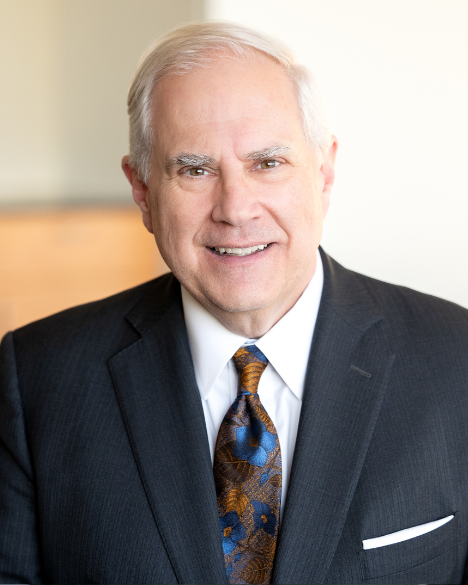
Bradley Henry is a trial lawyer with over thirty years of experience in civil litigation. He focuses on wrongful death, catastrophic personal injury, and commercial property loss matters and has handled some of New England’s highest-profile cases. Contact Santoro & Gray.