
Can Traffic Camera Footage Help Your Car Accident Claim in Boston?
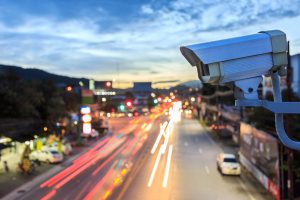 If you’ve been hurt in a car accident in Boston, the steps you take next matter. Many drivers feel confused when dealing with insurance companies or filing a lawsuit. Almost everyone knows you need evidence, but not everyone is clear on what types are the most important. Knowing how to build a solid claim makes it easier for you to handle this situation. Understanding how video, like traffic camera footage, comes into play can make a big difference.
Benefits of having traffic camera footage
Traffic accidents can leave you confused and frustrated, especially if others blame you unfairly. Evidence from traffic cameras can make a big difference in proving that you weren’t at fault for the accident and are entitled to compensation. Here’s how traffic camera footage can benefit you:
Objective proof of fault
Camera recordings show events exactly as they happened. If you’re involved in a collision, this footage often clears up questions about things like who had the green light, if someone switched lanes without signaling, or whether drivers kept a safe distance or ignored right-of-way. Unlike human memory, a video doesn’t forget or take sides.
Reconstructs the timeline
Accidents happen fast, often in a matter of seconds. Traffic cameras let you replay moments step-by-step. This allows you and experts to see when the brakes were applied, the moments just before and after an impact, and exactly where vehicles collided. This type of timeline can challenge the opposing party’s story.
Reduces comparative negligence arguments
If you’re blamed for sharing fault, camera footage can protect you. A video may show that you weren’t at all to blame for the accident, which gives you a better chance of recovering appropriate compensation.
Improves settlement value
Your lawyer will be able to negotiate more effectively when the evidence is clear. Video footage that shows another party is responsible will give your side a lot of leverage, and insurance companies are less likely to dispute your story. This makes it more likely that you’ll get a fair settlement instead of going to trial.
Helps in hit-and-run investigations
Hit-and-run scenes leave little evidence behind, but cameras make a difference. This footage can offer essential information: a fleeing vehicle’s license plate, color, make or model, and the direction the driver went after the accident. Law enforcement and your attorney can use this footage to track drivers.
Persuades judges and juries
Finally, showing a clear video during mediation or a trial can make the story much easier to understand. Juries and judges rely heavily on what they see, especially when deciding credibility. Strong video leaves little room for confusion.
Getting traffic camera footage after an accident
If you believe traffic cameras captured your car accident, moving quickly and using the right process is essential. These cameras may record exactly what happened, but the footage can disappear within days. It often takes legal experience to reach the right office or use the right language in a request. Here’s how you and your personal injury lawyer may work together to get this evidence.
Steps to take on the scene
Right after the accident, note camera locations at nearby intersections or on traffic lights. Take photos if you can. If you see nearby stores or gas stations with cameras, ask staff if they are willing to hold on to their footage. Sometimes footage on these systems erases automatically within a few days.
Sending a preservation letter
Traffic cameras are run by municipalities or state agencies. Unless someone puts them on notice, they may delete or automatically overwrite the footage. A lawyer can send the relevant agency or company a preservation letter (sometimes called a spoliation letter). This letter asks them to preserve footage, although non-parties aren’t always required to keep footage without a subpoena or court order.
Using a subpoena
Sometimes a business or agency won’t release footage directly. The next step may be for your lawyer to get a subpoena. This is an order from a court telling that agency or business they must provide the video.
Public records requests
Under the law, you are allowed to request records from public agencies using a tool called a public records request. You may be able to do this for traffic camera footage after an accident, if available. Your request should include the exact date, time, and location of the crash, along with information identifying the camera if you have it. A lawyer should help you handle this to make sure you get a response in a timely manner.
Some traffic cameras don’t record or only keep short loops, so availability varies, but it is always worth looking into. Experienced lawyers know where to look and what kind of request or legal action is most effective.
What to do if you can’t get traffic camera footage
If you can’t get the traffic camera footage you need, don’t lose hope—there are other places to look for video that may help your case.
Private security cameras
Look for cameras mounted on nearby businesses or homes. Places like banks, gas stations, convenience stores, and restaurants often have surveillance covering entrances, parking lots, or the street. It’s essential to contact these property owners immediately to see if their footage caught anything helpful for you.
Dashcam footage
If you or someone else involved in the crash had a dashcam, that footage can be extremely helpful. Sometimes other drivers or nearby parked cars have dashcams rolling, even if they weren’t directly part of the accident.
Body cam footage
When police respond to a traffic accident, many now use body cameras that record what happens at the scene. While these don’t show the moments right before the crash, the footage can still be useful. The recordings may capture statements from drivers and witnesses and document the damage or injuries at the scene.
Doorbell cameras
Many homes have high-definition video doorbells that often point toward the street. These doorbells may have captured footage of the collision or events leading up to it.
MBTA and public transit cameras
If your accident was near an MBTA stop, on a bus route, or in Massachusetts public transit areas, you might be able to request footage. This could include surveillance at stations or cameras filming activity on buses.
Securing helpful footage quickly is crucial because many cameras erase or record over footage soon after the event. The best way to ensure you get what you need is to work with a personal injury lawyer as quickly as possible.
Our firm has many years of legal experience handling all types of car accident claims, and we may be able to help you recover the compensation you need so you can focus on your recovery. Contact Santoro & Gray today to schedule a free consultation.

Tori Santoro and Jessica Gray of Santoro & Gray assist clients in Boston and throughout Massachusetts with personal injury matters. If you have suffered injuries due to a car accident, dangerous product, or sexual assault, please contact their dedicated legal team now.