
Using Expert Witnesses to Strengthen Your Car Accident Case
 According to the Massachusetts Department of Transportation, there were over 127,000 car accidents reported to the state in 2025. Of those accidents, nearly 30,000 resulted in injuries and over 300 tragically proved fatal. Crashes like these can result in extensive damages and serious injuries. When a car accident victim’s damages exceed their PIP coverage (maximum $8,000), they may opt to file a personal injury lawsuit to recover the difference, provided their injuries meet certain legal thresholds.
To help build these kinds of cases, survivors and their legal teams often need more than just “basic” documentation to tell their stories. Expert witnesses can fill in one piece of this puzzle by helping to explain how an accident occurred and how the accident stands to impact a survivor long-term. Here’s an overview of how expert testimony is commonly used in Massachusetts car accident cases and a basic intro to the types of experts we work with most often in our practice.
What is an expert witness?
An expert witness is a qualified professional who possesses specialized knowledge, training, or experience relevant to a lawsuit. In car accident cases, expert witnesses are often brought in to clarify technical aspects of a crash or support a survivor’s claims about how their injuries have affected – or are likely to affect – their life.
Many of us are already familiar with the role eyewitnesses play in court cases, but expert witnesses function a little bit differently. While eyewitnesses usually testify to events they experienced firsthand, expert witnesses help analyze the facts of a case and provide important clarifying information to judges and juries. Even though an expert witness may not have been present for a crash, they can draw upon their education and professional experience to help explain how a complicated crash likely occurred or to offer their opinion of an injured person’s prognosis.
Common types of expert witnesses in car accident cases
Car accident attorneys may call upon a wide range of different experts depending on the specific facts of a case. Every case is different and requires different kinds of evidentiary support. There are, however, some types of experts we work with more often than others. Here are some of the expert witnesses we see most frequently in Massachusetts car accident cases:
Accident reconstructionists
When a car accident takes place without eyewitnesses or if the facts of a case are highly disputed between parties, accident reconstruction experts can help fill in the gaps and explain how a crash likely occurred. These experts use physical evidence like vehicle damage, paint transfers, skid marks, roadway conditions, traffic data and event data recorders to paint a clearer picture of what happened before, during and after a crash. This clarity can be absolutely vital in terms of determining fault and assessing damages – especially in the absence of eyewitness testimony or photo/video evidence of a crash.
Medical professionals
For cases involving significant physical injuries, physicians and other medical experts may be able to testify about the nature and extent of a victim’s injuries. Medical experts can also testify to what kinds of treatment may be required based on a victim’s injuries and offer an informed opinion regarding their prognosis. This testimony can be particularly important when the alleged at-fault party starts trying to poke holes in a plaintiff’s valuation of their long-term care needs.
Mental health professionals
Beyond physical injuries, many car accident survivors suffer hidden emotional injuries like post-traumatic stress disorder (PTSD), depression and anxiety. When a plaintiff’s emotional distress or quality of life in general are called into question, mental health professionals like psychologists, psychiatrists and other kinds of therapists can speak to key aspects of the survivor’s mental health. They can also provide insight into the diagnostic criteria for certain mental health conditions and outline relevant treatment plans based on those diagnoses.
Vocational experts and life care planners
Some car accident victims are unable to return to work, school or other obligations for extended periods – or even permanently – due to their injuries. When an injury impacts a plaintiff’s lifetime earning capacity or ability to live independently, car accident lawyers may ask vocational experts and professional life care planners to weigh in.
These witnesses can provide an objective assessment of a plaintiff’s long-term care needs or evaluate the impact certain disabilities may have upon a survivor’s lifetime earning capacity. This testimony can support a plaintiff’s claims of reduced earning potential and help the court better conceptualize the extent of a plaintiff’s current and future care needs.
Economists and financial experts
Sometimes, defendants take issue with the value of a plaintiff’s claim rather than its basic veracity. When disputes arise about the true cost of an accident victim’s injuries, economists and other financial experts can provide a fair, fact-based assessment of the likely financial impact of an accident.
These expert witnesses can look at all of the financial variables impacting a plaintiff’s post-accident economic position and put the proposed value of their losses in context for the court. This testimony is often particularly valuable in cases involving catastrophic injuries or permanent disability, as these scenarios often involve enhanced and long-term financial loss.
Why is expert testimony helpful in car accident cases?
As you can see, expert testimony can support many different aspects of a car accident case, as long as it is leveraged appropriately. But keep in mind that there are some Massachusetts-specific idiosyncrasies that may impact your ability to recover compensation in a car accident case. First, because Massachusetts is a no-fault state, accident victims generally cannot recover pain and suffering damages in a motor vehicle case unless their injuries meet the state’s tort threshold.
If, however, you do have grounds to file a separate personal injury claim, your case will be governed by our state’s modified comparative negligence system. Under this system, you will only be entitled to compensation if you can show that your level of fault in the accident did not exceed the other involved party’s. Even if you clear this bar, your final damage award will be subject to reduction in accordance with your assessed level of fault. That means a driver who was deemed 30% responsible for their own injuries will have their compensation reduced by 30%.
Thanks to these statutory requirements, it can be particularly helpful for plaintiffs in car accident cases to back up their claims with support from expert witnesses. For example, accident reconstruction experts can help clarify liability issues or provide testimony that contradicts claims of comparative negligence. Other experts can help calculate and communicate the full value of a victim’s losses to support the argument that those losses meet Massachusetts’s tort threshold. Across the board, expert testimony can add another layer of veracity to an accident victim’s claims and make potentially complex concepts more accessible for the court.
Final thoughts
Car accident cases can be incredibly complex, particularly when they involve significant losses or disputed facts. While more standard forms of evidence and eyewitness testimony certainly have their place, many car accident lawyers understand the potential benefits of leveraging expert testimony in a personal injury case.
At Santoro & Gray, we believe that facts matter. That’s why we’re always willing to consider how expert testimony could play a critical role in clarifying disputed facts in a case while supporting our clients’ claims. If you or someone you know was injured in a car accident, and you’re wondering whether expert testimony might be necessary in your personal injury case, we’d love to learn more about your experience.
Give us a call today or fill out our online contact form to speak to a member of our team, and let’s discuss what options might be available to help you build a strong case for fair compensation under the law.
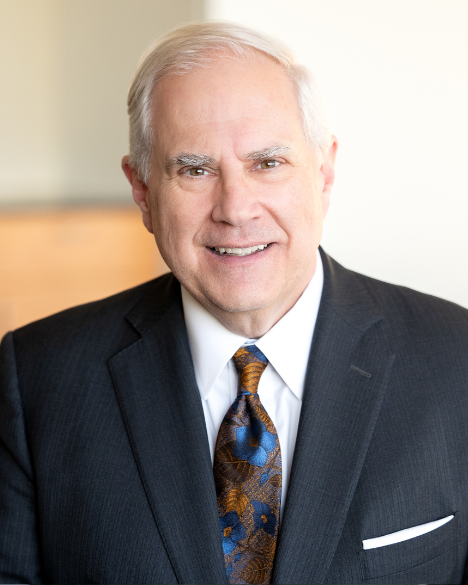
Bradley Henry is a trial lawyer with over thirty years of experience in civil litigation. He focuses on wrongful death, catastrophic personal injury, and commercial property loss matters and has handled some of New England’s highest-profile cases. Contact Santoro & Gray.