
How Dashcam Footage Can Impact a Massachusetts Car Accident Case
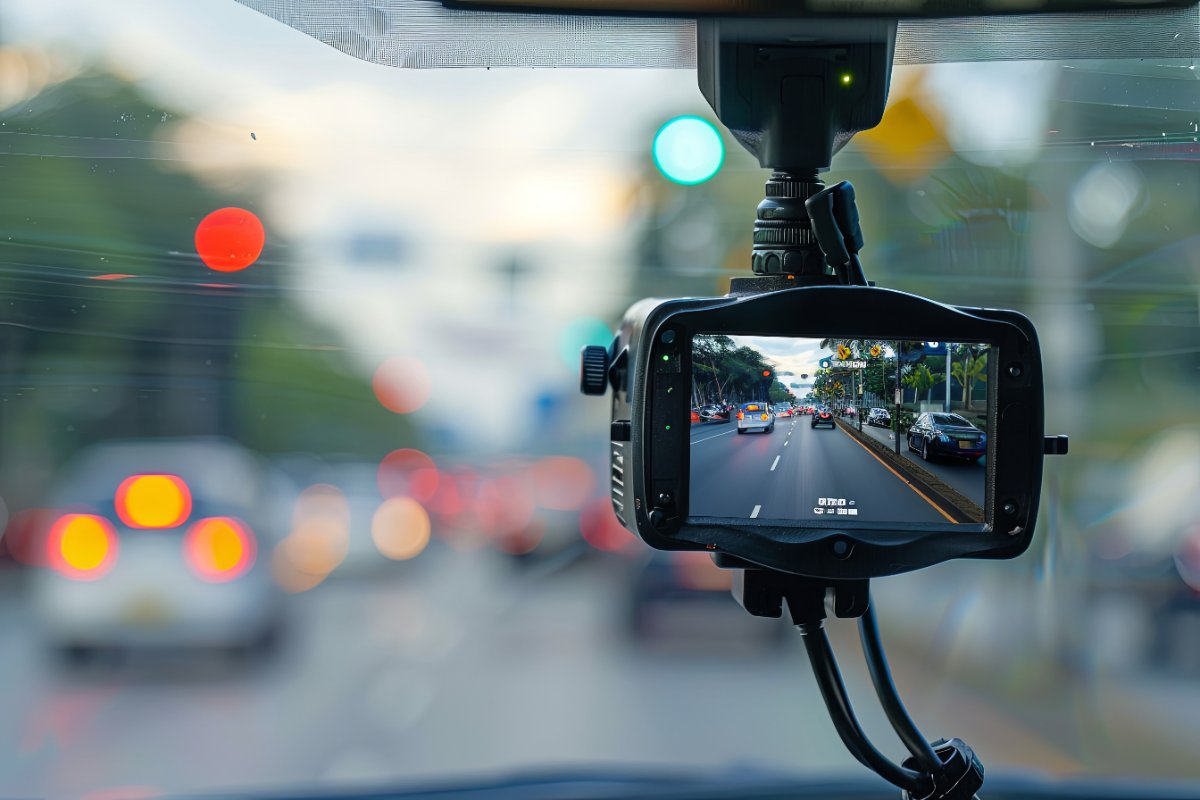 When you are hurt in a car accident, you do not want to worry about how to prove another driver was at fault or question how the events unfolded. Evidence, such as dashcam footage, may be able to prove that another driver was liable. Dashcams record real-time video while you are driving, offering an objective account of events that can greatly strengthen your claim.
Although dashcam footage can be very helpful to your case, it is important to know the laws regarding these devices. Below, our Massachusetts car accident lawyer explains in greater detail.
What are the benefits of dashcam footage?
In car accident cases, dashcams are often referred to as ‘silent witnesses.’ They are often more reliable than human witnesses as they do not misinterpret, forget, or have personal biases that can influence them. Dashcam footage has many benefits when pursuing damages in a car accident case. These include:
- Provides strong evidence: Footage from a dashcam depicts a very clear picture of how the accident occurred. Footage can show that another driver cut you off, ran a red light, or how a complex chain reaction of crashes began. Dashcam footage can show exactly what happened in the moments before, during, and after an accident. The footage can corroborate your claim, particularly if another driver’s insurance company is disputing liability.
- Speeds up the claim process: When there is clear footage of how a crash occurred, insurance companies are less likely to delay a settlement offer. By eliminating disputes and the shifting of blame, it is more challenging for insurance companies to deny your claim. This can speed up the claim process.
- Prevents false claims: Dashcam footage can prevent you from being falsely accused of causing the accident. Insurance companies and liable parties often blame injured individuals to protect themselves. In addition, dashcam footage can also dispute exaggerated claims about injuries and damages.
- Ensures accuracy in the police report: Police reports play a very important role in accident claims. If law enforcement can watch the dashcam footage, they can better understand how the crash occurred, allowing them to write reports with more accuracy. This can strengthen your legal claim.
- Supports or refutes witness testimony: Dashcam footage can support witness testimony by providing visual, timestamped, objective evidence that confirms or contradicts the testimony of witnesses who saw the crash.
While dashcam footage does have many benefits, it is important to speak to a Massachusetts car accident lawyer who can advise you on the laws and how to use it in your case.
Is dashcam footage admissible in court?
Generally speaking, dashcam footage is admissible evidence in court. However, Massachusetts is an all-party consent state for audio recordings, and it is critical to remain in compliance with the law. Additionally, dashcam footage is only admissible if certain conditions are met. Important legal considerations when using dashcam footage in your case are as follows:
- Legal compliance: The footage cannot violate the privacy laws of the state. In Massachusetts, you must obtain the consent of all parties before recording audio of them. Many car accident lawyers advise that if your dashcam captures audio, you disable this feature to ensure the device offers the protection you had intended.
- Proper mounting: Massachusetts law does not specifically ban dashcams on windshields, but anything mounted there should not obstruct, impede or distort the driver’s view. To be safe, mount the dashcam on your dashboard.
- Authentic: The footage should be authenticated, unedited, and accurately presented as footage of the crash.
- Proper evidence preservation: If another driver has dashcam footage you want to obtain, it is critical that you speak to a lawyer about how to get the evidence legally.
Even if dashcam footage is admitted, the court will determine how much weight the evidence carries. For example, if the footage is grainy, of low quality, or does not clearly depict which driver was at fault, the court may not place much significance on it.
Best practices when using dashcam footage
Installing a dashcam in your vehicle is a great way to determine fault after an accident. However, these devices are still only as useful as you make them. Following helpful tips about how to use the device can ensure that the footage is there if you ever need it. Some of the best tips when using dashcams are as follows:
- Choose the right device: Choose a dashcam that will record in high resolution. Choose a model with night vision, a wide-angle lens, and loop recording to make sure that you capture useful footage in any conditions.
- Inspect and maintain the device regularly: A dashcam that does not work properly will not help your case. Inspect and test your device regularly to ensure it is recording properly, and clean the lens to make sure the footage captured is not blurry. Also, check that the timestamp and date are accurate, as this can confirm the timelines in your case.
- Backup accident footage: After the memory card fills up on most dashcams, the device will overwrite older footage. If you are injured in a crash, back up the relevant files immediately to make sure you do not lose evidence that is critical to your claim.
- Do not share the footage on social media: You may be tempted to share dashcam footage on social media, but this is a big mistake. Sharing videos before speaking to a car accident lawyer can complicate your case. In fact, it is recommended that you do not share any details of the crash on social media until your case has been resolved.
Our car accident lawyers in Massachusetts can advise on your footage
If you have dashcam footage after a crash, it is critical that you obtain legal help. At Santoro & Gray, our Massachusetts car accident lawyers can provide it. We will review the footage to determine if it supports your case and if it is admissible in court. If so, we will use it along with other important evidence to help you pursue the damages you may be entitled to. Call us today or contact us online to schedule a consultation and to get the legal help you need.

Bradley Henry is a trial lawyer with over thirty years of experience in civil litigation. He focuses on wrongful death, catastrophic personal injury, and commercial property loss matters and has handled some of New England’s highest-profile cases. Contact Santoro & Gray.