
E-Scooter Regulations in Massachusetts: What They Mean If You’re Injured in a Crash
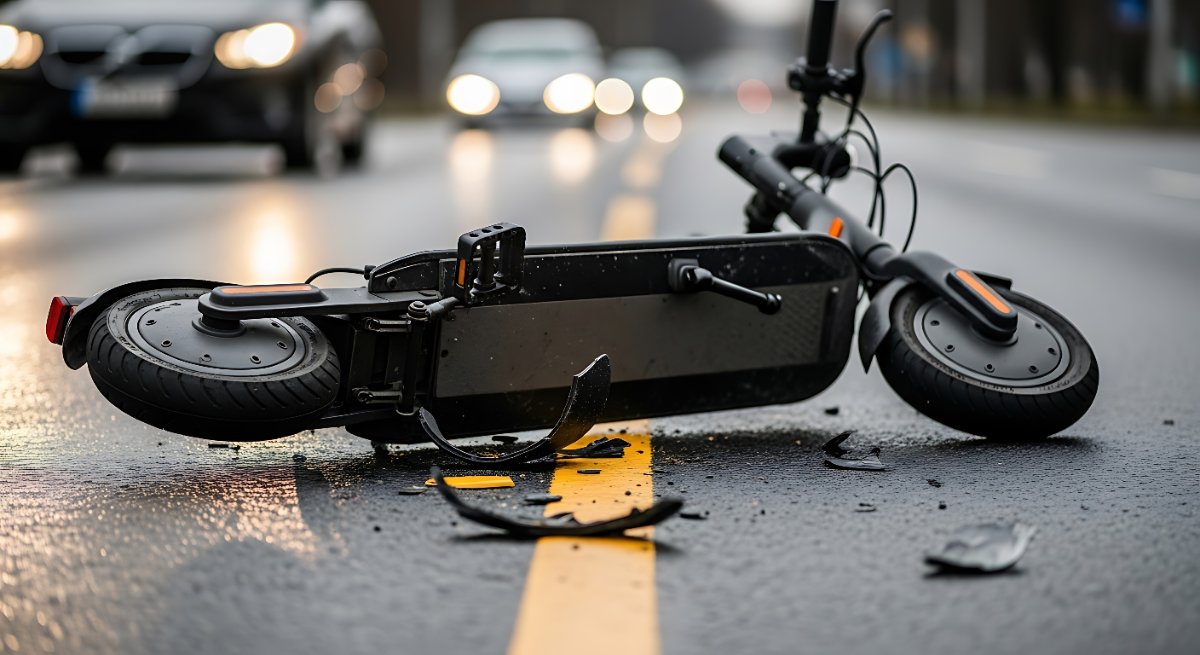 Spend ten minutes on a Boston street these days, and you’ll see them everywhere: e-scooters and e-bikes weaving through traffic, slipping between bike lanes and sidewalks, sharing the road with cars, cyclists, and pedestrians who aren’t always sure who has the right of way. Micromobility has changed how the city moves. It has also created a legal gray area that gets very real, very fast, the moment someone gets hurt.
We’re Boston personal injury lawyers, and we represent people on every side of these crashes: riders who were struck, pedestrians who were hit, and cyclists caught in the middle. Here is where Massachusetts law stands today, where it’s headed, and what it all means if you’ve been injured.
What Massachusetts law says about e-scooters right now
Massachusetts has no statute written specifically for electric scooters. Instead, e-scooters fall under the state’s older “motorized scooter” law (M.G.L. c. 90, § 1E), which was never designed with today’s devices in mind. Under that law, a rider generally must:
- Hold a valid driver’s license or learner’s permit
- Keep speeds at or below 20 miles per hour
- Wear a helmet
- Stay off the sidewalk where local rules prohibit sidewalk riding, including in Boston, and off the road after dark, since operation is not allowed between sunset and sunrise
- Ride without passengers and follow the same traffic laws as other vehicles
E-bikes are treated differently again, sorted into classes based on how the motor provides assistance and speed. The result is a confusing patchwork: rules that vary by device, by speed, and sometimes by city, and that very few riders actually know. It’s part of why shared e-scooter programs have stayed limited in Boston while the law tries to catch up.
The real problem after a crash: A gap in insurance
Here is the part that catches injured people off guard. When a car hurts someone, there is almost always insurance behind it. Massachusetts requires drivers to carry coverage, including personal injury protection. E-scooters and e-bikes generally carry no such requirement. So when a rider injures a pedestrian or a rider is badly hurt, and the other party flees, there may be no obvious policy to turn to.
That does not mean there is no path to compensation. It means the path takes work to find. Depending on how the crash happened, we look at every possible source, including:
- The at-fault rider’s homeowner’s or renter’s insurance
- Any auto insurance involved, if a car played a role in the crash
- Your own health insurance and any uninsured or underinsured coverage you carry
- A product liability claim, if a defective scooter, brake, or battery contributed to the crash
- The rental or share company that put the device on the street
- A property owner, if a dangerous condition was part of what happened
Sorting through those options is exactly the kind of work that decides whether an injured person is left with the bills or made whole. It is rarely obvious, and it is rarely something insurers volunteer.
The Ride Safe Act: How Massachusetts wants to change the rules
The state knows the current system isn’t working. In May 2026, Governor Maura Healey filed the Ride Safe Act, which her office calls first-in-the-nation legislation to regulate e-bikes, scooters, and mopeds.
The bill’s central idea is a smart one. Instead of classifying a device by what it’s called, it classifies it by how fast it can travel. Lower-speed devices would follow bike-lane rules, with helmet requirements and added protections for riders under 16. Higher-speed devices like mopeds would be limited to riders 16 and older and pushed off sidewalks and bike lanes. The proposal also cracks down on unsafe modifications that boost speed beyond a manufacturer’s limits, gives police clearer enforcement authority, and closes a reporting gap so that crashes not involving a car finally get counted.
For people who get hurt, one provision matters most: the Ride Safe Act would require registration and insurance for motorized bicycles and mopeds and would authorize additional insurance requirements for other micromobility devices. If that becomes law, it could make liability coverage available in more crashes involving higher-speed devices. That is a meaningful change, and it is the reason we are watching this bill closely.
For now, the Ride Safe Act is a proposal working its way through the Legislature. It’s not yet the law of the Commonwealth. The rules above still control today. But the direction is clear, and it points toward more accountability.
Your rights if you’re hurt in an e-scooter accident
Whatever device was involved, Massachusetts injury law still protects you. You generally have three years from the date of the injury to file a personal injury claim (M.G.L. c. 260, § 2A). And under the state’s modified comparative negligence rule, you can recover as long as you were not more than 50 percent at fault, with your compensation reduced by your share of the blame.
That last point matters, because insurers love to shift blame. Maybe you weren’t wearing a helmet, or you were riding a little fast. That does not automatically end your claim. It is one factor among many, and it is something we know how to push back on. The most important thing you can do is act early, while scooter data, surveillance video, and witness memories are still available to tell the real story.
Talk to a Boston e-scooter accident lawyer
At Santoro & Gray, we’re more than lawyers. We’re listeners and fighters, and we believe every case starts with someone’s story. If you were injured in an e-scooter or e-bike crash, whether you were riding, walking, or biking, we’ll take the time to understand what happened to you and then go find every avenue to make it right.
We handle these cases on a contingency basis, which means you pay nothing unless we win. Call us or reach out online for a free, no-pressure consultation, and let us carry the legal fight while you focus on healing.

Victoria Santoro is a skilled trial attorney and the co-founder of Santoro & Gray. She handles a variety of personal injury cases, including rideshare litigation, car crashes, premises liability and product liability matters. Contact the firm’s Boston office today.