
Salem Witch House Lawsuit Raises Questions About Safety at Historic Attractions
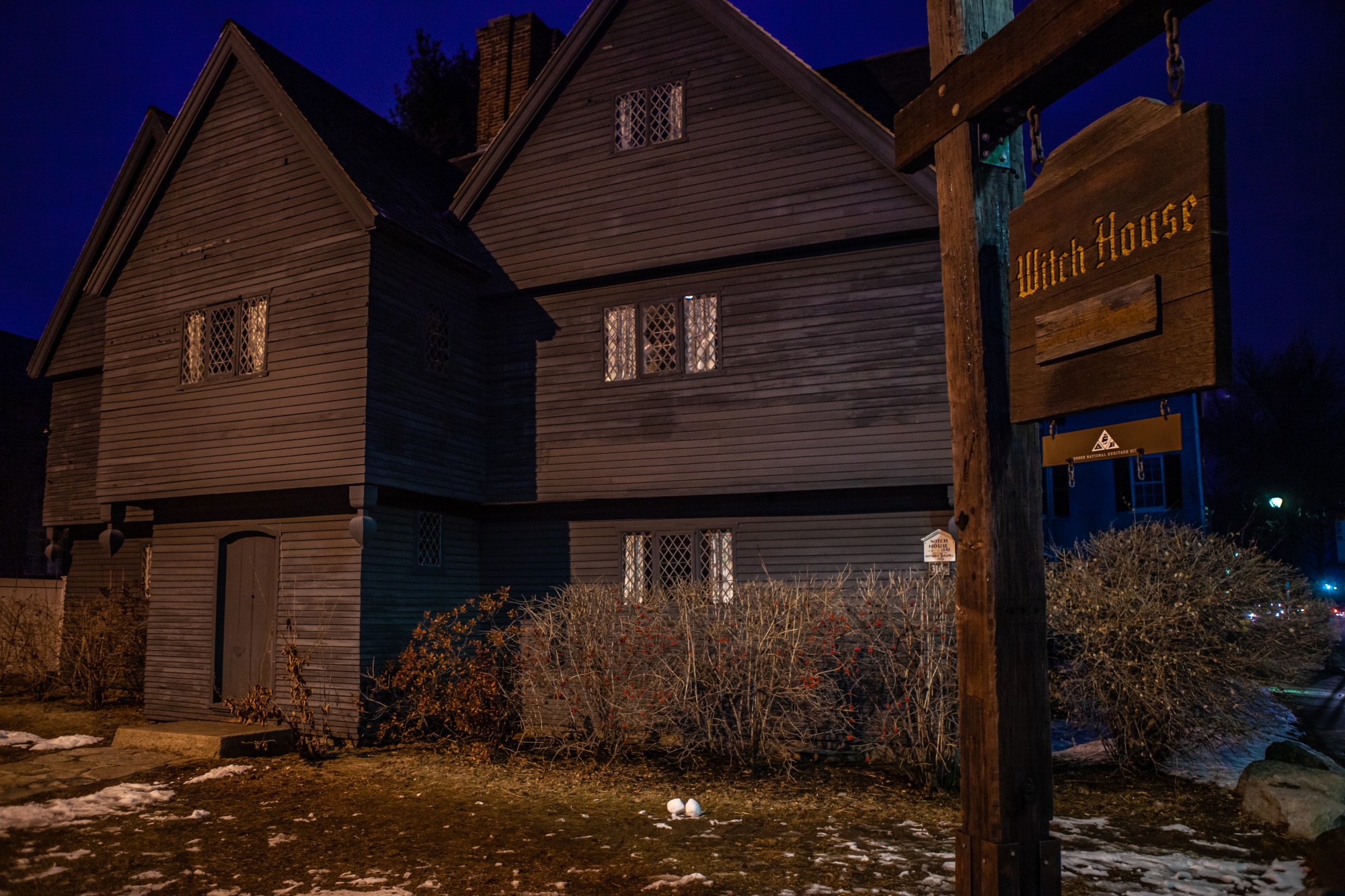
People come to Salem from all over the country, and many of them end up at 310 Essex Street. The Witch House was home to Judge Jonathan Corwin, who sat on the Salem witch trials, and it’s one of the best-known historic sites in New England. Visitors walk in expecting to learn about the history of the 1600s. They don’t expect to get hurt.
Our client, Kimberly Rieser of Pennsylvania, did. On October 8, we filed a negligence lawsuit on her behalf against the City of Salem in Essex County Superior Court.
What happened at the Witch House?
As stated in the Complaint(opens in new tab), the Plaintiff was a paying visitor on a tour of the Witch House on November 4, 2023. The tour route took guests down a wooden staircase, which was the only staircase available to visitors as alleged in the Complaint.
She was doing what you’re supposed to do when descending a stairway. She had her right hand on the railing. As she went down, the back lip of her shoe caught on a defective and hazardous stair. Her momentum carried her to the left side of the staircase, and she fell five or six steps. She landed on her left shoulder and hit the wall about four to six steps from the bottom.
The Plaintiff needed surgery with extensive hardware and was left with lasting effects, including a permanent partial disability, along with medical bills and lost wages.
What the lawsuit says was wrong with the staircase
The Complaint describes stairs in poor condition, with depths that vary from step to step, an extreme slope, and too few treads and handrails.
It also states that earlier visitors had posted warnings about the staircase online, including on TripAdvisor, and that the stairs even show up on a social media discussion board under the name “Death Stairs.”
In a negligence case, what a property owner knew, or should have known, is central. The Complaint alleges the city had reason to know about the condition and neither fixed it nor warned visitors.
“It’s a 17th-century house”
We expect to hear this one. Of course the stairs are steep. The house is more than 300 years old.
Plaintiff’s allegations address that age doesn’t automatically excuse a building from applicable safety codes. It alleges the stairs weren’t safe or usable under the Massachusetts State Building Code. It also points to the International Existing Building Code, which requires stairways and other exits to meet applicable safety requirements, even in older buildings.
A historic site can preserve its character and still be safe for the people it invites in. Those two goals aren’t in conflict. When a place sells tickets and brings the public through its doors, it takes on a responsibility to keep visitors reasonably safe or to warn them of dangers it knows about. That’s the core of premises liability law, and the age of the building doesn’t change it.
If you’re hurt in a fall on someone else’s property
A few practical points, whether it’s a museum, a store, a restaurant or an apartment building:
- Get medical care first. Your health comes before anything else, and your records also document what happened and when.
- Photograph the spot. Take pictures of the stairs, floor or walkway, including railings, lighting and anything that looks uneven or worn. Conditions get repaired, and once they do, the evidence is gone.
- Report the fall and ask for a copy. If there’s an incident report, get one. Write down the names of any staff or other visitors who saw it.
- Look into the deadlines early. If a city, town or other government body owns the property, the notice rules are strict. Talk to a lawyer before you assume you have plenty of time.
Why we take these cases
A serious fall changes more than a few weeks of your life. A shoulder or arm injury can mean surgery, months of rehab, and trouble with everyday things like lifting, sleeping and working. The people who control dangerous property should answer for it, and the person who was hurt shouldn’t have to absorb the cost alone.
If you or someone in your family was injured in a fall on someone else’s property, contact Santoro & Gray for a free consultation.

Jessica Gray is the co-founder of Santoro & Gray. She handles personal injury matters, including car accidents, truck accidents, premises liability, construction accidents, and product liability claims. For dedicated legal help, contact the firm’s Boston office today.