
Who May Be Liable For a Tree Fall Injury in Massachusetts?
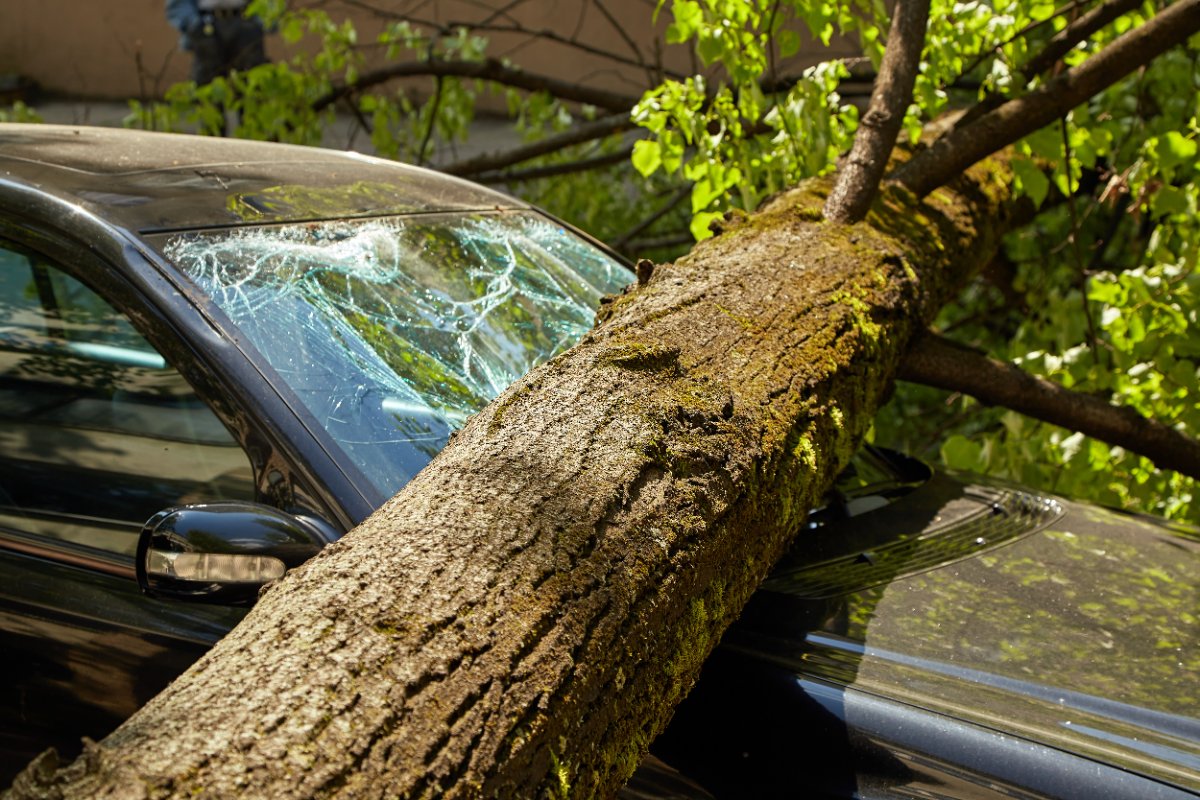 A falling tree or heavy limb can cause devastating harm in an instant. Head injuries, spinal injuries, broken bones, and crush injuries are all common when something that heavy comes down on a person or a vehicle. In a state with as many old trees and as much severe weather as Massachusetts, these accidents happen more often than people realize.
When someone is hurt this way, the question is usually whether anyone could have prevented it. We are Boston personal injury lawyers, and the answer often comes down to a single idea: did a property owner know, or should they have known, that the tree was dangerous? Here is how liability works in Massachusetts, and what to do if a falling tree has injured you or someone you love.
Common causes of tree fall and limb accidents
Trees rarely fail without a reason. A storm is often the final trigger, but the underlying cause is frequently a problem that existed long before the wind picked up. The common culprits include:
- Storm and high-wind damage, especially during Nor’easters and summer thunderstorms
- Disease, such as fungal infections that quietly weaken a tree from within
- Internal decay and rot that hollow out a trunk or major limb
- Root damage or instability, sometimes from nearby construction or grading
- Pest infestation that compromises the wood
- Neglected maintenance, including dead limbs that were never removed
- Improper past pruning that left the tree weak or unbalanced
The important point is that many falls blamed on the weather actually trace back to a tree that was already compromised. A healthy tree and a rotting one face the same storm very differently, and that difference is often where liability lives.
How Massachusetts decides who is liable
Massachusetts does not make a property owner automatically responsible every time a tree on their land falls. Liability depends on negligence, and negligence depends on notice.
If a healthy tree with no visible problems falls during a storm, the owner generally may not be negligent; an extraordinary, unforeseeable storm may also qualify as an act of God. But if the tree was dead, diseased, decaying, or otherwise visibly hazardous, and the owner knew or reasonably should have known about it, the analysis changes. An owner who ignores obvious warning signs like dead limbs, fungus, a pronounced lean, large cracks, or limbs that have dropped before can be held responsible when that tree finally comes down and hurts someone.
This fits the broader rule that Massachusetts property owners owe lawful visitors a duty of reasonable care, which includes addressing tree hazards a careful owner would have caught. So most tree fall cases come down to a factual question: what did the owner know, and what should they have noticed in time to act?
Who may be responsible
Depending on where the tree stood and who was responsible for it, several parties may share liability:
- Homeowners, including a neighbor whose tree it was, if they neglected a known hazard
- Landlords and property owners, depending on who controlled tree maintenance and knew or should have known of the hazard
- Commercial property owners such as stores, offices, apartment complexes, and parking lots, where a dangerous tree over a walkway or lot is a premises hazard
- Property managers, condo associations, and homeowners associations responsible for maintaining common-area trees
- Tree-service companies that negligently inspected, pruned, or failed to remove a tree they were hired to care for
More than one party can be at fault, and sorting that out is part of what we do.
One important note. Trees on city, town, or state property are a different story. Claims involving government-owned land come with strict notice deadlines, damage caps, and legal hurdles that make them far more difficult to pursue. This article focuses on private property, where the path to holding a negligent owner accountable is usually much clearer.
What to do after a tree-related injury
What happens in the hours and days after a tree fall can make or break a claim, because the evidence disappears quickly once cleanup crews arrive. If you are able:
- Get medical care right away, even if your injuries seem relatively minor at first
- Photograph the tree and the broken section, focusing on any signs of decay, rot, hollowing, fungus, or dead wood
- Note the exact location and figure out who owns the property
- Collect names and contact information for any witnesses, and any history you know of, such as prior complaints about the tree.
- Avoid giving recorded statements to insurers before speaking with a lawyer
An arborist’s assessment can be especially powerful, because it can establish that a tree was diseased or decayed and that the danger was there to be seen. That goes directly to whether the owner should have known.
Compensation you may be able to pursue
When a property owner’s negligence causes a tree fall injury, you may be able to recover compensation for current and future medical expenses, lost income and reduced earning capacity, pain and suffering, and other related losses. Massachusetts follows a modified comparative negligence rule, so you can recover as long as you were not more than 50 percent at fault, with your recovery reduced by your share. Because serious tree fall injuries often mean long, expensive recoveries, the difference between a minimum result and full compensation can be enormous.
Frequently asked questions
1. Is a property owner always liable if their tree falls on someone?
No. Liability turns on negligence and notice. A healthy tree that falls in a storm usually is not the owner’s fault, but a dead, diseased, or visibly dangerous tree that the owner knew or should have known about can absolutely lead to liability.
2. How long do I have to file a tree-fall injury claim in Massachusetts?
In most cases, you have three years from the date of the injury. It is wise to act much sooner, though, because the tree itself is often cleared away within days, and that physical evidence can be central to your case.
Talk to a Boston personal injury lawyer
If a falling tree or limb has injured you, you should not have to prove a property owner’s negligence on your own. At Santoro & Gray, we listen first, then we investigate hard, working to show what an owner knew and what they failed to do about it.
We handle premises liability and personal injury cases on a contingency basis, which means you pay nothing unless we win. Call us or reach out online for a free consultation, and let us help you understand whether you have a claim.

Victoria Santoro is a skilled trial attorney and the co-founder of Santoro & Gray. She handles a variety of personal injury cases, including rideshare litigation, car crashes, premises liability and product liability matters. Contact the firm’s Boston office today.